
Post by Muhammad Sheraz
Electric vehicles are often celebrated for what happens when they are on the road, but their story begins long before that first drive and continues well after the last.
To truly understand their impact, it helps to look at the full journey, from production and daily use to what happens when they are eventually retired.
Why The Full Lifecycle Of EVs Matters More Than Ever
Electric vehicles have quickly moved from niche innovation to mainstream choice. They are often positioned as the cleaner, smarter alternative to petrol and diesel cars, and in many ways, that reputation is well deserved.
However, the full environmental story of an EV does not begin and end with driving.
To understand their real impact, it is important to look at the entire lifecycle. From manufacturing to daily use and eventually disposal, each stage carries its own environmental and economic considerations.
For drivers, this broader perspective leads to better decisions, not just at purchase, but throughout ownership.
From Factory Floor To First Drive
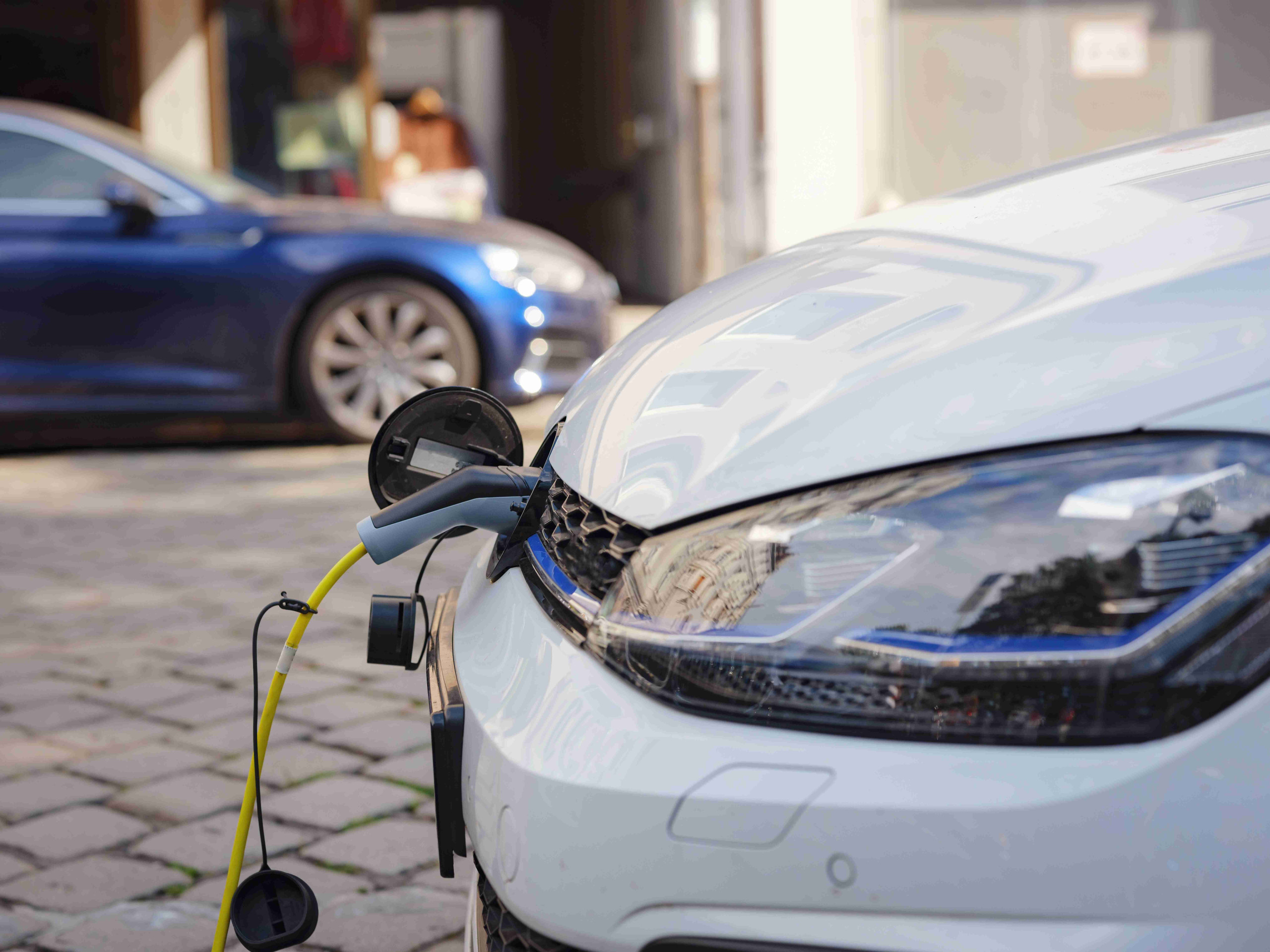 The journey of an electric vehicle begins long before it reaches the road. One of the most resource-intensive stages is battery production.
Materials such as lithium, cobalt, and nickel must be mined, processed, and assembled into complex battery systems.
This process requires significant energy, often resulting in a higher initial carbon footprint compared to traditional vehicles. While this can seem counterintuitive, it is only part of the picture.
The concept of a carbon payback period helps explain the balance. Over time, the lower emissions during use allow EVs to offset this initial impact.
Still, the manufacturing phase highlights an important truth. Electric vehicles are not impact-free, and their sustainability depends on how they are used and managed over their lifespan.
The Ownership Phase: Where EVs Shine
Once on the road, electric vehicles begin to deliver their most noticeable benefits. With no tailpipe emissions, they contribute to cleaner air in urban areas. For many drivers, this is one of the most immediate and visible advantages.
Running costs also tend to be lower. Electricity is often cheaper than fuel, and EVs have fewer moving parts, which reduces maintenance needs.
There is no need for oil changes, and components such as brakes can last longer due to regenerative braking systems.
However, the environmental benefits depend partly on the energy source used for charging.
EVs powered by renewable energy offer the greatest advantage, while those charged using fossil fuel-based electricity reduce the overall benefit.
Even so, most studies show that EVs produce fewer emissions over time compared to conventional vehicles.
Battery Degradation And Mid-Life Decisions
Like any technology, EV batteries do not last forever. Over time, they gradually lose capacity, which can reduce driving range. For many drivers, this becomes noticeable after several years of use.
This creates a key decision point. A car that once comfortably handled daily commutes may begin to feel limiting. While battery replacement is possible, it can be expensive, sometimes approaching the value of the vehicle itself.
At this stage, owners often weigh their options carefully. Some continue using the vehicle with reduced range, especially if their driving needs are modest.
Others consider upgrading to a newer model with improved battery technology.
Understanding this phase is essential because it shapes how long an EV remains practical and how its lifecycle unfolds beyond the early years.
The Second Life Of EV Batteries
One of the most promising developments in the EV space is the concept of second-life batteries. Even when a battery is no longer ideal for driving, it can still hold significant capacity.
These batteries can be repurposed for other uses, such as home energy storage or supporting renewable energy systems.
For example, they can store solar power during the day and release it at night, helping reduce reliance on the grid.
This approach extends the usefulness of the battery and reduces waste. It also improves the overall sustainability of electric vehicles by ensuring that key components are not discarded prematurely.
As technology advances, second-life applications are expected to become more widespread and efficient.
End-Of-Life Vehicles: What Happens When An EV Is Retired?
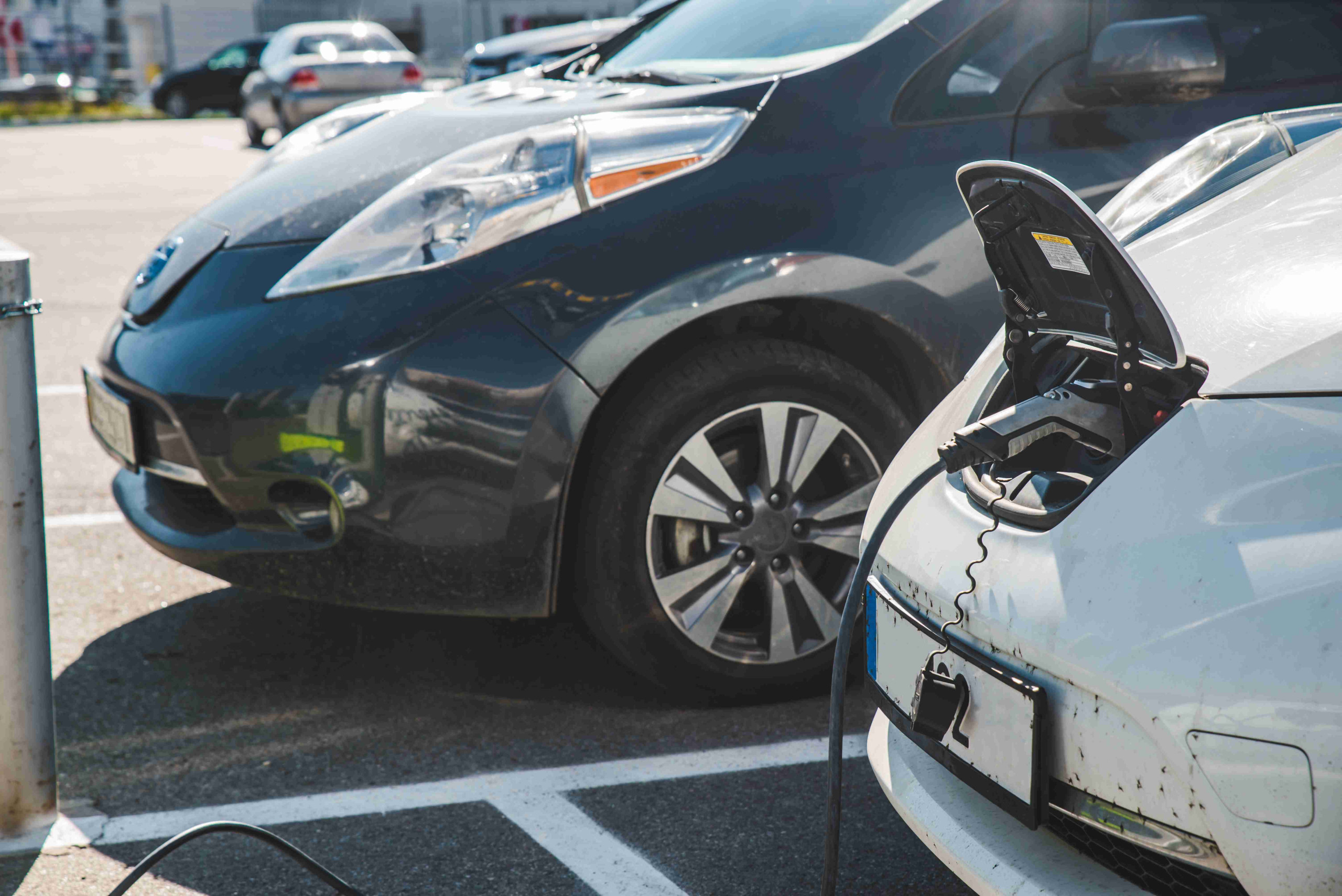 Eventually, every vehicle reaches the end of its usable life. For electric vehicles, this stage presents both challenges and opportunities.
The recycling process involves dismantling the vehicle and recovering valuable materials, particularly from the battery.
Metals such as lithium and cobalt can be reused, reducing the need for new mining. However, battery recycling is complex and still developing in many regions.
Infrastructure is improving, but it has not yet reached the same level of maturity as traditional car recycling.
This means that responsible disposal is especially important to ensure that materials are handled safely and efficiently.
Responsible Disposal And Smarter Exit Options For Owners
When an EV is no longer practical to keep, owners have several options. Selling privately or trading in can work for vehicles that are still in reasonable condition.
However, for older or heavily degraded cars, these paths may not be realistic.
In such cases, alternative solutions become more appealing. Some services allow owners to sell an old car for cash without needing to invest in further repairs.
This can be particularly useful when the cost of fixing the vehicle outweighs its value.
Beyond convenience, this approach also supports responsible disposal. Vehicles handled through proper channels are more likely to be recycled or dismantled in a way that recovers valuable materials and minimises environmental harm.
Are EVs Truly Sustainable? A Balanced Perspective
Electric vehicles are often seen as a clear step forward, but the reality is more nuanced. While they offer significant benefits during the ownership phase, they also come with environmental costs during production and disposal.
The key question is not whether EVs are perfect, but whether they are better overall. In most cases, the answer is yes.
Over their full lifecycle, EVs typically produce fewer emissions than petrol or diesel cars, especially when paired with cleaner energy sources.
At the same time, challenges such as mining impacts and recycling limitations need to be addressed. Ongoing innovation in battery technology and recycling processes will play a crucial role in improving sustainability.
What This Means For Future EV Owners
For drivers considering an electric vehicle, the takeaway is simple. Think beyond the initial purchase and consider the full journey. Battery health, charging sources, and eventual disposal all play a role in the overall impact.
Making informed choices at each stage can significantly improve the benefits of owning an EV.
Charging with renewable energy, maintaining the vehicle properly, and planning for responsible disposal all contribute to a more sustainable outcome.
Electric vehicles represent a major shift in how we think about transport. By understanding their full lifecycle, drivers can make decisions that align with both their needs and the broader goal of reducing environmental impact.